Rats in Restaurants: The Signs of an Infestation You Should Never Ignore
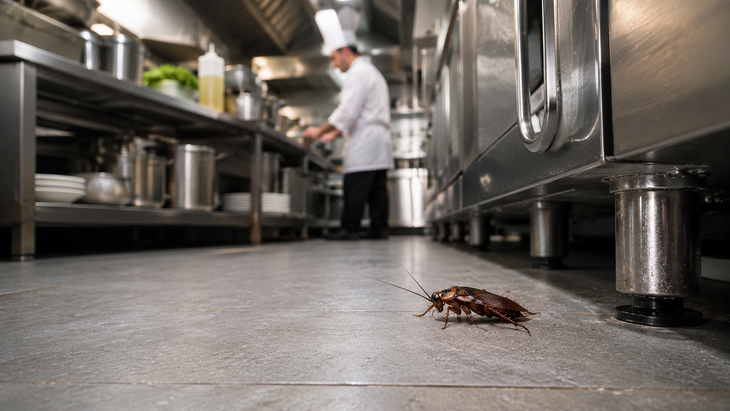
Finding signs of rats in a restaurant is one of the most concerning situations for any food business owner. In addition to the risks to public health, the presence of rodents can compromise food safety, affect HACCP audits and cause significant damage to a business's reputation.
Many infestations begin discreetly. Initially, rats remain hidden in service areas, storage rooms, suspended ceilings or other low-traffic locations. By the time the first signs become visible, rodent activity may already have been present for weeks or even months.
Knowing how to identify the early signs of an infestation is essential to taking prompt action and preventing a larger problem.
Why Do Rats Appear in Restaurants?
Like most pests, rats are searching for three essential resources:
- Food;
- Water;
- Shelter.
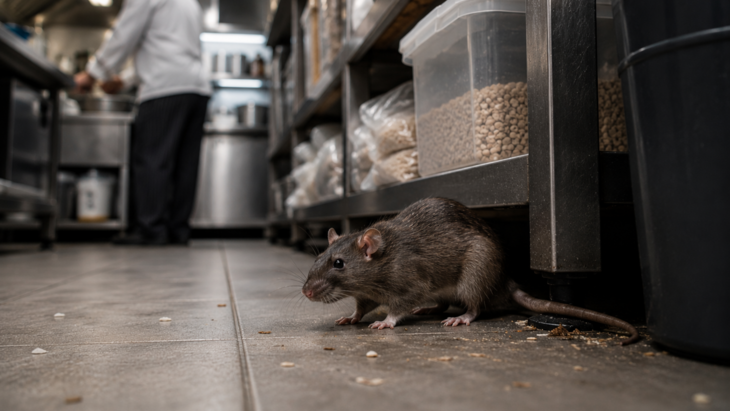
Restaurants often provide all three. Food residues, waste containers, drainage systems, storage areas and technical spaces can become highly attractive to rodents.
Even businesses that maintain high hygiene standards can be affected, particularly in urban environments or areas with significant commercial activity.
What Are the First Signs of a Rat Infestation?
In most cases, rats are not seen directly. Instead, evidence of their activity is discovered.
The most common warning signs include:
- Rodent droppings;
- Gnawed packaging;
- Teeth marks on materials;
- Noises in ceilings, walls or storage areas;
- Persistent unpleasant odours;
- Grease marks along routes used by rodents.
Any of these signs should be investigated without delay.
Rat Droppings: One of the Most Common Signs
Droppings are often the first indication of rodent activity.
They may be found along walls, behind equipment, in storage rooms, pantries and food storage areas.
The presence of fresh droppings indicates current activity and requires immediate attention.
Do You Hear Noises at Night?
Rats are primarily nocturnal animals.
It is common to hear:
- Scratching sounds inside walls;
- Movement above suspended ceilings;
- Noises in service ducts and technical voids;
- Activity in storage areas.
These sounds are often more noticeable at night or in the early morning when there is less human activity.
Why Do Rats Represent a Food Safety Risk?
Rats can contaminate food, equipment and surfaces through urine, droppings, saliva and direct contact.
They frequently travel between drains, waste storage areas and food preparation zones, carrying contaminants throughout the premises.
In a food environment, the presence of rodents represents a serious risk that should never be ignored.
Rats and HACCP
Within the framework of HACCP Algarve, rodent control is a fundamental requirement.
The presence of rodent activity may indicate weaknesses in prevention, monitoring or maintenance programmes.
During audits and inspections, the following may be assessed:
- Monitoring records;
- Rodent control station maps;
- Evidence of recent activity;
- Corrective actions implemented.
For this reason, ongoing monitoring is just as important as rodent treatment itself.
Where Do Rats Usually Hide?
Rats avoid open spaces and seek sheltered locations.
Common hiding places include:
- Suspended ceilings;
- Storage rooms;
- Technical areas;
- Cold rooms;
- Waste storage areas;
- Spaces behind equipment.
Once established, they often use the same routes repeatedly to travel between shelter and food sources.
How Can You Prevent Rats in Restaurants?
Prevention is the most effective way to reduce the risk of infestation.
The most important measures include:
- Proper waste management;
- Keeping waste containers closed;
- Regular cleaning of storage areas;
- Repairing potential entry points;
- Sealing cracks and openings;
- Ongoing professional monitoring.
A small gap in a door or wall can be sufficient to allow a rodent to enter the premises.
What Should You Do If You Find Signs of Rats?
If you discover droppings, damaged packaging or other signs of activity, it is important to act quickly.
The first steps should include:
- Identifying where the signs were found;
- Inspecting nearby areas;
- Checking for food and water sources;
- Reinforcing cleaning procedures;
- Requesting a professional inspection.
The sooner the problem is identified, the easier it is to bring the infestation under control.
Why Is Professional Rodent Control Important?
Rats are highly adaptable animals with a remarkable ability to reproduce.
Professional rodent control services can:
- Identify the species present;
- Determine the level of activity;
- Locate entry points;
- Implement corrective measures;
- Establish an ongoing monitoring programme.
Combining prevention, monitoring and professional rodent control delivers the best long-term results.
Rats in the Algarve: A Common Problem
Rats and mice are present throughout urban and commercial areas across the Algarve.
Restaurants, cafés, hotels and food businesses located in Faro, Loulé, Almancil, Quarteira, Vilamoura, Albufeira, Olhão, Tavira, Lagos, Portimão and other Algarve locations should implement appropriate preventive programmes.
Regular monitoring helps identify problems at an early stage and significantly reduces the risks associated with rodents.
Rats rarely appear without leaving signs behind. Droppings, noises, damaged packaging and persistent odours are often the first indicators of rodent activity.
Recognising these signs early is essential for protecting food safety, maintaining compliance with HACCP Algarve requirements and preventing a minor issue from becoming a serious infestation.
Do you suspect rat activity in your restaurant or food business?
Prevenção Ativa helps businesses throughout the Algarve identify signs of infestation and implement effective rodent control and monitoring solutions.