Pest Control Methods: How to Control Infestations Effectively
Pest control is an essential element in preventing and managing pests in restaurants, hotels and food businesses. An effective programme helps eliminate risks, ensure food safety and comply with HACCP Algarve requirements.
There are different pest control methods, each with specific applications depending on the type of pest, the level of infestation and the environment where they are applied.
Why Is It Important to Use Different Pest Control Methods?
No single method is effective in all situations. Professional pest control relies on an integrated approach, combining different techniques to achieve long-lasting results.
This approach allows businesses to:
- Reduce infestation risks;
- Act both preventively and reactively;
- Minimise operational and environmental impact;
- Ensure compliance with HACCP Algarve standards.
Main Pest Control Methods
1. Chemical Control (Controlled Use of Biocides)
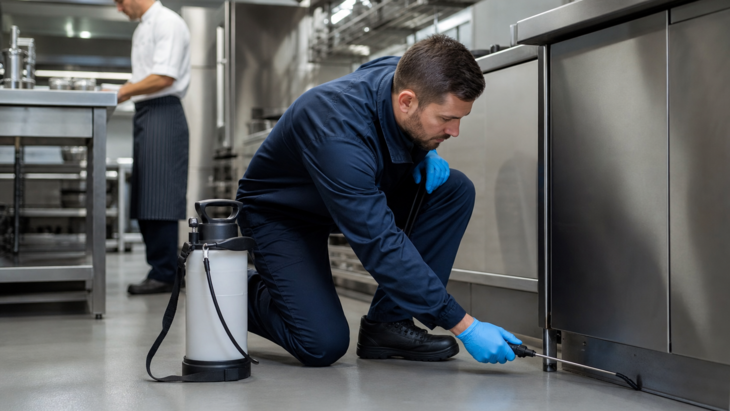
Chemical control is one of the most commonly used pest control methods. It involves the application of specific biocidal products to eliminate pests such as cockroaches, rats and insects.
These treatments must always be carried out by trained professionals, following strict food safety and environmental regulations.
Benefits:
- High effectiveness in active infestations;
- Fast results;
- Applicable to a wide range of pests.
2. Physical Control (Traps and Barriers)
Physical control includes the use of traps, barriers and mechanical devices to capture or prevent pests from entering.
It is widely used in sensitive environments such as kitchens and food preparation areas.
Benefits:
- No chemical use;
- Ideal for preventive control;
- Allows monitoring of pest activity.
3. Biological Control
Biological control involves the use of natural organisms or derived substances to manage pests.
Although less common in restaurants, it can be applied in specific contexts where sustainable solutions are required.
Benefits:
- Low environmental impact;
- Sustainable approach;
- Reduces reliance on chemicals.
4. Continuous Monitoring
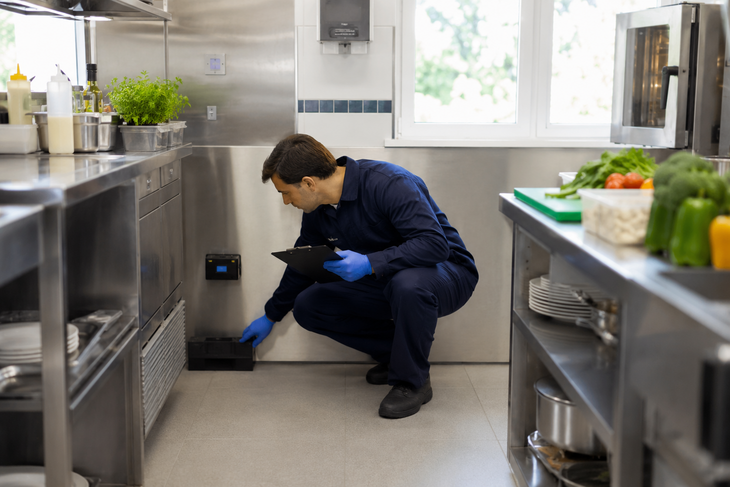
Continuous monitoring is one of the most important elements of an effective pest control programme.
It involves regular inspections, recording pest activity and analysing data to detect early signs of infestation.
Benefits:
- Prevention of infestations;
- Early intervention;
- Compliance with HACCP Algarve;
- Long-term cost reduction.
An Integrated Approach to Pest Control
Effective pest control does not rely on a single method, but on combining different techniques tailored to each situation.
The integration of chemical control, physical methods and continuous monitoring significantly reduces infestation risks and the need for reactive treatments.
Different pest control methods play a crucial role in protecting food environments from pests such as cockroaches and rats.
Choosing the right method requires professional assessment, ensuring effectiveness, safety and compliance with HACCP Algarve.
Need a pest control plan tailored to your business in the Algarve?
Contact us and request a free quotation.