Physical Pest Control: Traps and Barriers in Pest Management
Physical pest control is one of the most commonly used methods for preventing and monitoring infestations in restaurants, hotels and food businesses.
This method uses traps, physical barriers and mechanical devices to prevent the entry, capture or detection of pests such as cockroaches, rats, flies and other insects.
Within the framework of HACCP Algarve, physical control plays an essential role in prevention, continuous monitoring and reducing the need for corrective pest control treatments.
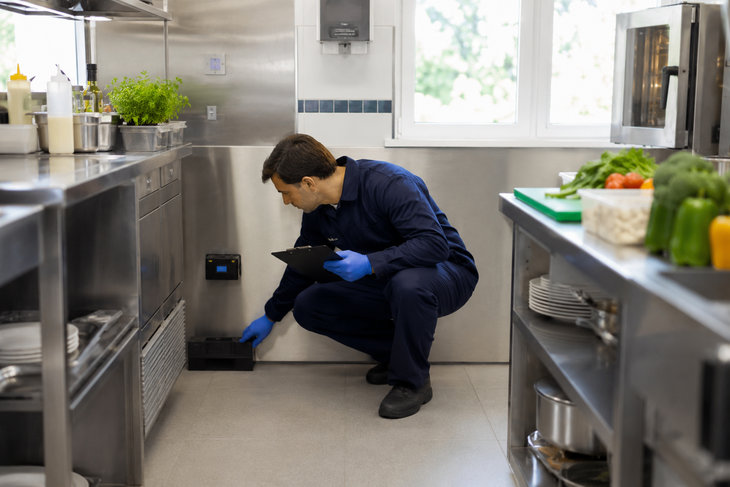
What Is Physical Pest Control?
Physical control consists of using non-chemical methods to limit pest access, capture pests or monitor their activity.
It is particularly important in sensitive environments, such as professional kitchens and food preparation areas, where food safety is a priority.
Main Physical Pest Control Methods
Rat and Mouse Traps
Traps allow businesses to monitor and capture rats and other rodent pests. They are strategically placed in critical areas, such as technical rooms, storage spaces and waste areas.
Insect Traps
These include adhesive traps, electric fly killers and monitoring systems for cockroaches.
These solutions help detect pest activity at an early stage.
Physical Barriers
Physical barriers prevent pests from entering the premises.
They may include:
- Fly screens;
- Door seals;
- Brush strips;
- Drain protection systems;
- Sealing cracks and openings.
When Should Physical Control Be Used?
Physical control is particularly recommended:
- As a preventive measure;
- For continuous monitoring;
- In kitchens and sensitive food areas;
- As a complement to other pest control methods;
- To reduce the use of biocides.
Benefits of Physical Pest Control
- No use of chemicals;
- High food safety standards;
- Allows continuous monitoring;
- Reduces infestation risks;
- Early detection of pest activity;
- Low environmental impact.
The Importance of Monitoring
Traps are not only used to capture pests. They also provide important information about:
- Areas of pest activity;
- Infestation levels;
- Entry points;
- Effectiveness of preventive measures.
Within the scope of HACCP Algarve, these records are essential for audits and integrated pest management programmes.
Common Mistakes in Physical Pest Control
- Installing traps in incorrect locations;
- Failing to inspect traps regularly;
- Ignoring signs of pest activity;
- Not sealing entry points;
- Using damaged barriers.
Physical Pest Control and HACCP Algarve
Physical control is part of an integrated pest management plan, which is a mandatory prerequisite under HACCP.
When combined with:
- Good hygiene practices;
- Proper waste management;
- Professional pest control services;
- Continuous monitoring;
it significantly reduces the risk of infestation by cockroaches, rats and other pests.
Traps and physical barriers are essential tools in preventive pest control, especially in food-related environments.
The correct implementation of these methods helps protect businesses, ensure food safety and comply with HACCP Algarve requirements.
Need support with pest control and HACCP in the Algarve?
Contact us and request a free quotation.