Sardine Season and HACCP: Frequently Asked Questions About Food Safety in Restaurants
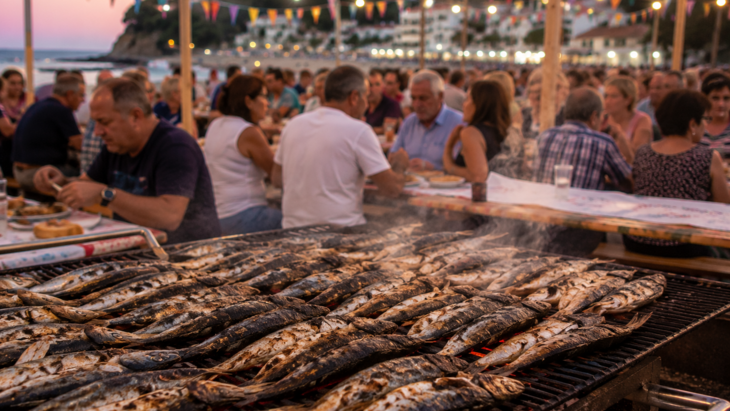
With the arrival of summer comes the famous sardine season in Portugal. Restaurants, summer festivals and outdoor dining areas significantly increase the consumption of fresh fish, especially grilled sardines.
However, high summer temperatures also increase food safety risks. Within the framework of HACCP Algarve, it is essential to ensure the correct storage, handling and preparation of fish to prevent contamination and protect consumers.
Why Are Sardines a Sensitive Food During Summer?
Sardines are a highly perishable fish. If not stored correctly, they can deteriorate rapidly due to high temperatures.
Breaks in the cold chain can lead to:
- Bacterial growth;
- Histamine formation;
- Bad odours and spoilage;
- Risk of food poisoning.
What Is Histamine and Why Is It a Risk?
Histamine is a substance that can develop in certain fish, including sardines, when they are kept at unsafe temperatures for too long.
Unlike some bacteria, histamine is not destroyed by cooking. Even after grilling, the fish may still be unsafe to eat.
Symptoms may include:
- Redness and flushing;
- Headaches;
- Nausea;
- Allergy-like reactions.
What Is the Correct Temperature for Storing Sardines?
Within HACCP Algarve, sardines should be kept refrigerated, ideally close to 0°C, from delivery through to preparation.
It is essential to:
- Maintain the cold chain;
- Avoid prolonged exposure to heat;
- Use food-grade ice when necessary;
- Monitor and record temperatures.
How Should Sardines Be Handled?
Incorrect handling can cause cross-contamination.
Best practices include:
- Cleaning and sanitising surfaces regularly;
- Separating raw fish from ready-to-eat foods;
- Using clean utensils;
- Ensuring proper hand hygiene.
Do Outdoor Sardine Grills Need to Follow HACCP Rules?
Yes. Even at temporary events, summer festivals or outdoor grilling stations, food safety regulations still apply.
Within the scope of HACCP Algarve, it is important to ensure:
- Proper fish storage;
- Protection against dust and insects;
- Correct waste management;
- Cleaning of grills and surfaces;
- Pest control measures.
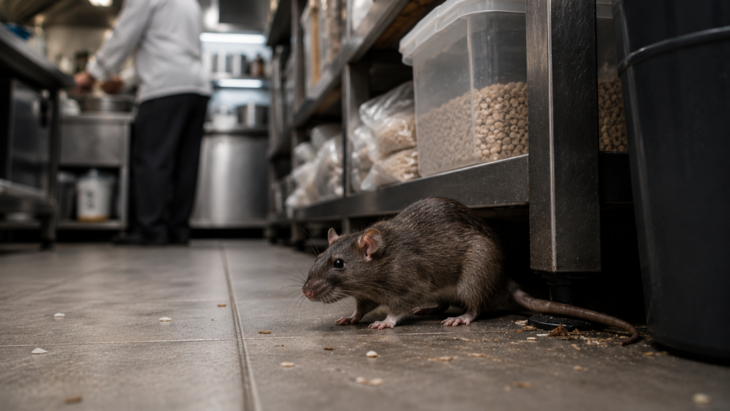
Why Does Sardine Season Increase Pest Risks?
Fish residues and grease strongly attract pests such as:
- Cockroaches;
- Flies;
- Rats;
- Other insects.
During summer, high temperatures further increase pest activity.
How Can Restaurants Prevent Pests During Sardine Season?
Some essential measures include:
- Removing waste frequently;
- Keeping bins closed;
- Cleaning accumulated grease;
- Avoiding exposed waste;
- Implementing a pest control programme;
- Carrying out continuous monitoring.
Why Is HACCP Important During Sardine Season?
The HACCP system helps businesses identify critical risks and implement preventive measures before problems occur.
During sardine season, temperature control, hygiene and pest control become even more important.
Sardine season is an important tradition in Portugal, but it also creates additional challenges for restaurants and food businesses.
The correct implementation of HACCP Algarve, combined with good hygiene, storage and pest control practices, is essential to ensure food safety throughout the summer.
???? Need support with HACCP and pest control in the Algarve?
Contact us and request a free quotation.