Waste Management in HACCP: How to Prevent Pests, Cockroaches and Rats in Restaurants
Waste management is one of the fundamental pillars of food safety in the restaurant sector. Poor waste handling can attract pests such as cockroaches, rats and flies, compromising hygiene and putting consumer health at risk.
Within the framework of HACCP Algarve, proper waste control is an essential prerequisite to prevent infestations and reduce the need for pest control treatments.
Why Is Waste Management Critical in HACCP?
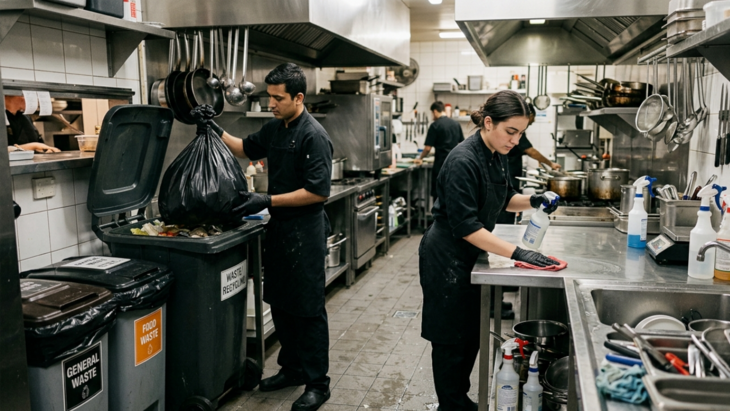
Food waste is a direct source of food and shelter for pests. Without proper control, it quickly becomes a hotspot for infestation, often requiring urgent pest control intervention.
- Prevent pest proliferation;
- Avoid infestations by cockroaches and rats;
- Reduce the risk of food contamination;
- Minimise the need for frequent pest control treatments;
- Ensure compliance with HACCP Algarve requirements.
Most Common Infestations in Restaurants
Cockroaches
Cockroaches are one of the most common pests in food businesses. They thrive in areas with organic waste, grease and moisture, especially where waste containers are not properly cleaned.
Rats and Mice
Rats seek food and shelter in areas where waste is poorly managed. Open bins or accumulated waste are major factors that lead to infestations.
Flies
Flies reproduce rapidly in decomposing organic matter and are one of the main vectors of food contamination.
Ants
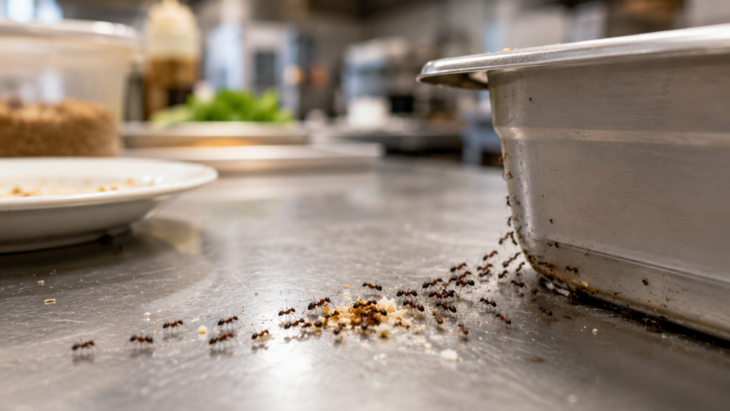
Another common pest, attracted to sugary and greasy residues.
What Should Be Done with Waste to Prevent Pests
1. Use Proper Closed Containers
- Bins with tight-fitting lids;
- Pedal-operated opening systems;
- Durable and easy-to-clean materials.
2. Remove Waste Frequently
Frequent waste removal is essential to avoid attracting cockroaches, rats and other pests.
- Daily removal is mandatory;
- Multiple removals per day in busy kitchens;
- Never leave waste overnight.
3. Clean and Disinfect Waste Containers
Dirty bins are one of the main sources of infestation. They must be regularly cleaned and disinfected to prevent odours and residue build-up.
4. Avoid Exposed Waste
Open bags or poorly stored waste significantly increase the risk of pest infestation.
5. Proper Management of Waste Areas
- Keep external waste areas clean and organised;
- Position waste away from food preparation areas;
- Ensure controlled and protected access.
6. Clean Spills Immediately
Organic liquids strongly attract pests, especially cockroaches and flies.
7. Integrate with a Pest Control Plan
Even with proper waste management, a preventive pest control programme is essential. Waste control and pest control must work together to ensure full protection.
Critical Mistakes to Avoid
- Allowing waste to accumulate at the end of the day;
- Using bins without lids;
- Not cleaning containers regularly;
- Ignoring signs of cockroaches or rats;
- Delaying pest control interventions.
Waste Management and Pest Control in HACCP Algarve
Effective waste management significantly reduces the risk of infestation by pests and minimises the need for corrective pest control treatments.
Within HACCP Algarve, these procedures must be documented, monitored and consistently applied.
Proper waste management is one of the most effective ways to prevent pests, cockroaches and rats in restaurants.
With the right procedures and a solid pest control programme, businesses can ensure food safety, comply with regulations and protect their reputation.
Need support with HACCP and pest control in the Algarve?
Contact us and request a free quotation.