HACCP and Pest Control: The Risk of Cockroaches in Food Safety
In the restaurant sector, pest control is one of the most critical aspects of food safety. Among all urban pests, cockroaches represent one of the greatest risks to food, consumer health, and legal compliance.
Within the framework of HACCP in Portugal, the presence of cockroaches is considered a serious failure and may lead to non-compliances, significant fines, or even suspension of business activity.
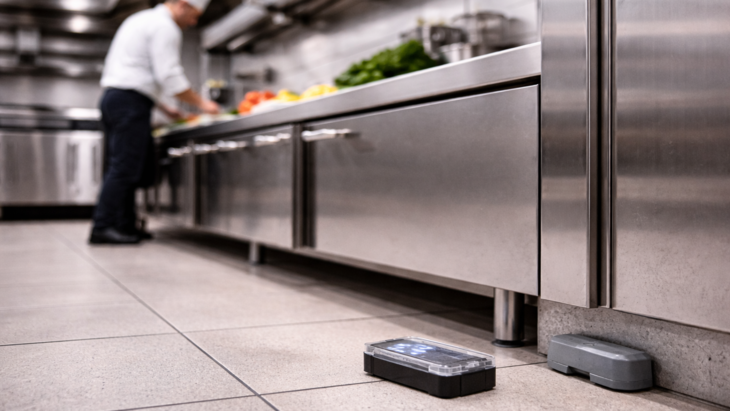
Why Are Cockroaches Such a Serious Risk?
Cockroaches move through drains, damp areas, waste zones, and contaminated surfaces, carrying pathogenic microorganisms on their bodies and legs. When they come into contact with food, utensils, or work surfaces, they can cause serious microbiological contamination.
The main risks associated with cockroaches include:
- Contamination of food and surfaces
- Transmission of bacteria and pathogens
- Damage to the establishment’s reputation
- Non-conformities during HACCP audits
The Role of HACCP in Pest Control
The HACCP system requires food business operators to identify hazards, implement preventive measures, and maintain effective control procedures.
Pest control, including cockroaches, is part of the HACCP prerequisite programs and must be properly documented, monitored, and kept up to date.
Where Do Cockroaches Appear in Restaurants?
Cockroaches seek warmth, moisture, and food. In restaurant kitchens and food service areas, they are most commonly found in:
- Drains and sewage systems
- Areas behind equipment
- Storage rooms and food stores
- Cracks, skirting boards, and electrical boxes
Poor cleaning routines or structural failures make infestation easier and faster.
Preventive Measures Within the HACCP Framework
1. Rigorous Cleaning and Hygiene
Frequent cleaning of all areas, including hard-to-reach spaces, significantly reduces the risk of infestation. Food residues and moisture are the main attractants for cockroaches.
2. Structural Control
Cracks, gaps, and entry points must be identified and sealed. Doors, drains, and ducting systems must be kept in good condition.
3. Proper Food Storage
Food must be stored in sealed containers, kept off the floor, and properly organised. Good stock management reduces available food sources for pests.
4. Monitoring and Records
HACCP requires continuous monitoring. Traps, control points, and documented records help detect early signs of infestation.
Corrective Control: What to Do in Case of Infestation
When cockroaches are detected, action must be immediate. Improvised measures or home remedies are neither effective nor acceptable under HACCP requirements.
It is essential to use a professional pest control service, with approved products, technical reports, and full integration into the HACCP plan.
Consequences of Non-Compliance
The presence of cockroaches in a food establishment may result in:
- Serious non-conformities during audits
- Fines imposed by authorities
- Temporary suspension of business activity
- Loss of customer trust
HACCP and Pest Control Go Hand in Hand
An effective HACCP system cannot exist without a strong preventive and corrective pest control plan. In the case of cockroaches, prevention is always more effective and less costly than correction.
At Prevenção Ativa, we help food businesses integrate pest control into their HACCP systems, ensuring legal compliance, food safety, and day-to-day peace of mind.
Want to protect your business from cockroaches and other pests?
Contact us and request a free quotation.