What is HACCP and Why It Is Essential for Restaurants and Food Businesses
HACCP (Hazard Analysis and Critical Control Points) is a preventive food safety system used to ensure that food is produced, handled and prepared safely throughout the entire food chain.
For restaurants, cafés and food businesses operating in the region, implementing HACCP in the Algarve is essential to comply with legal requirements, protect consumer health and ensure establishments are prepared for official inspections.
What is the HACCP System?
The HACCP system is based on scientific and technical principles that allow businesses to identify, evaluate and control hazards that may compromise food safety during preparation, production, storage and service.
This approach is often described as a control system that monitors food safety “from farm to fork”, ensuring that every stage of the food chain is analysed and controlled to prevent risks.
Why Is HACCP Important for Restaurants in the Algarve?
In the restaurant sector, implementing HACCP Algarve procedures is essential to ensure food is handled and prepared under safe and hygienic conditions.
A properly implemented HACCP system helps businesses to:
- Identify potential hazards before they become a problem;
- Control critical stages in food preparation;
- Reduce the risk of food contamination;
- Comply with European and Portuguese food safety regulations;
- Increase customer confidence and trust.
Is HACCP Mandatory in Portugal?
Yes. According to Regulation (EC) No. 852/2004, all food business operators must implement and maintain procedures based on the principles of HACCP.
This means that restaurants, cafés, bars, hotels, catering services and other food businesses in the Algarve must apply HACCP Algarve procedures to ensure food safety and legal compliance.
Types of Hazards Controlled by HACCP
The HACCP system focuses on identifying and controlling three main types of food safety hazards:
- Biological hazards – bacteria, viruses and parasites;
- Chemical hazards – cleaning chemicals or contaminants;
- Physical hazards – foreign objects such as glass, metal or plastic fragments.
By identifying these risks and implementing control measures, HACCP helps prevent food safety issues before they occur.
How the HACCP System Works
Implementing HACCP in the Algarve involves a structured process that analyses every stage of food handling and preparation.
In simple terms, the system involves:
- Identifying hazards at each stage of food preparation;
- Determining critical control points;
- Establishing critical limits;
- Monitoring procedures regularly;
- Defining corrective actions;
- Verifying that the system works effectively;
- Maintaining documentation and records.
These procedures help businesses quickly detect problems and ensure that food remains safe for consumption.
HACCP Prerequisites
Before applying the HACCP principles, food businesses must ensure that a set of basic conditions known as prerequisite programmes are in place.
These programmes create the necessary environment to ensure food can be handled safely.
Common HACCP prerequisites include:
- Good hygiene practices;
- Cleaning and sanitation plans;
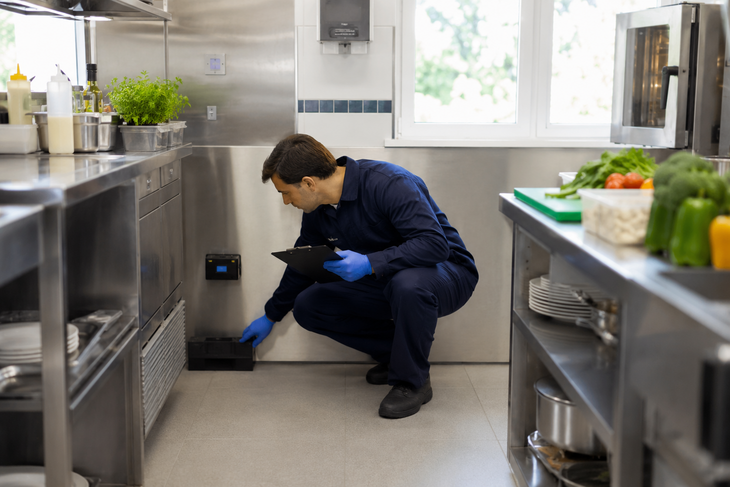
- Integrated pest control programmes;
- Food safety training for staff;
- Equipment maintenance;
- Water quality control.
Benefits of HACCP for Restaurants in the Algarve
Implementing HACCP Algarve procedures provides several advantages for food businesses:
- Improved control of food preparation processes;
- Higher food safety standards;
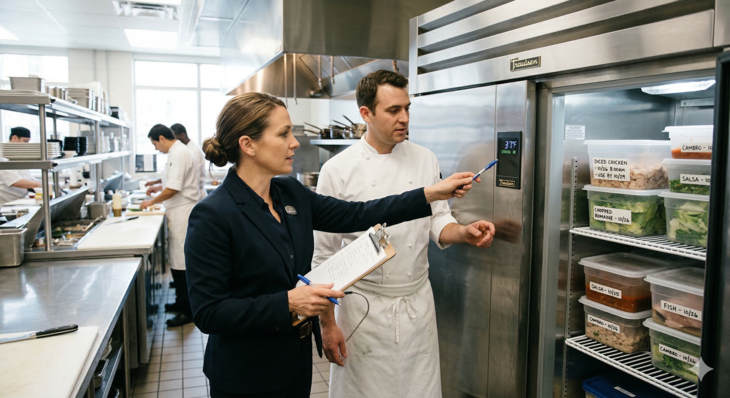
- Better preparation for inspections and audits;
- Reduced risk of contamination;
- Greater trust from customers and authorities.
The HACCP system is one of the key pillars of modern food safety management. By identifying hazards and controlling critical points in food preparation, businesses can prevent risks and ensure safe food for consumers.
For restaurants, cafés and food businesses operating in the region, implementing HACCP Algarve procedures is not only a legal obligation but also a fundamental step toward maintaining high standards of safety and professionalism.
Frequently Asked Questions about HACCP in the Algarve
What is HACCP and why is it important for restaurants in the Algarve?
HACCP (Hazard Analysis and Critical Control Points) is a food safety system that helps restaurants identify and control risks during food preparation. In the Algarve, implementing HACCP is essential for legal compliance, protecting customers and preparing businesses for inspections.
Is HACCP mandatory for restaurants in Portugal?
Yes. European Regulation (EC) No. 852/2004 requires all food businesses, including restaurants, cafés and catering services, to implement procedures based on HACCP principles to ensure food safety.
Who needs HACCP in the Algarve?
Any business that handles or serves food in the Algarve must apply HACCP principles. This includes restaurants, cafés, bars, hotels, bakeries, catering companies and food retailers.
What are the main benefits of implementing HACCP?
HACCP helps prevent food contamination, improves hygiene procedures, prepares businesses for inspections and increases customer confidence in food safety.
How can a restaurant implement HACCP in the Algarve?
Restaurants can implement HACCP by identifying food safety hazards, defining critical control points, monitoring procedures and keeping proper documentation. Many businesses choose professional consultancy to ensure the system is correctly implemented and maintained.